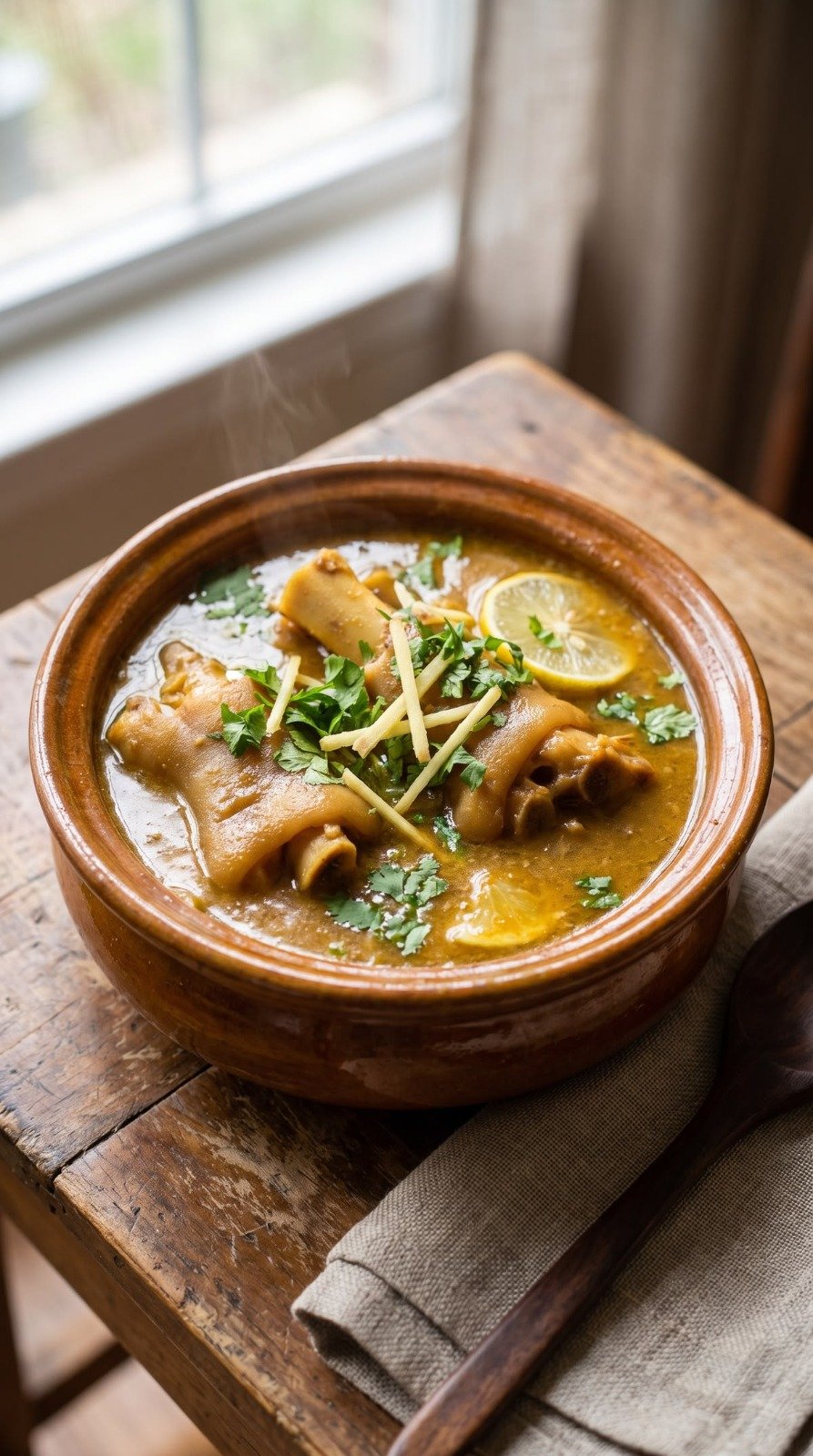

For many Pakistanis, breakfast isn’t always about eggs, toast, or cereal.
In Karachi, a weekend breakfast can be something much more traditional, slow-cooked, and deeply comforting: Siri Paya.
Rich, flavorful, and simmered for hours, paya is more than just a dish. For many families, it is connected to Sunday mornings, family gatherings, neighborhood restaurants, and memories of home. For Pakistanis living in Wisconsin, especially those who grew up enjoying Karachi’s food culture, a steaming bowl of paya can bring back those memories with just one spoonful.
At Karachi Restaurant, we’re proud to celebrate the traditional flavors that make Pakistani cuisine so special.
What Is Siri Paya?
Siri Paya is a traditional South Asian dish made primarily with trotters, traditionally goat or cow depending on the regional preparation.
The word “paya” refers to the feet or trotters, while “siri” traditionally refers to the head. Different regions and families have their own ways of preparing the dish, but the defining characteristic is slow cooking. The trotters are simmered for several hours with aromatic spices until the broth becomes rich, flavorful, and naturally gelatinous.
The result is a hearty stew with a deep, savory flavor and a texture that is completely different from everyday curries.
Why Is Paya So Popular for Breakfast?
One of the most interesting things about Pakistani food culture is how different breakfast traditions can be from typical Western breakfasts.
In Karachi and other parts of Pakistan, dishes such as paya, nihari, and halwa puri can be enjoyed in the morning, particularly on weekends.
A bowl of hot Pakistani paya soup is especially satisfying on a leisurely morning. The rich broth, tender meat, spices, and fresh garnishes create a breakfast that feels substantial and comforting.
For many families, Sunday breakfast is also a social occasion. Friends and relatives gather around the table, share food, and take their time enjoying the meal.
What Makes a Traditional Paya So Flavorful?
The magic of paya comes from patience.
Unlike quick-cooking dishes, traditional paya requires a long cooking process. The trotters are cleaned carefully and then simmered with spices and aromatics for hours.
This slow cooking allows the flavors to develop and creates the rich texture that paya is known for.
Common ingredients and seasonings may include:
- Goat or beef trotters
- Ginger
- Garlic
- Onions
- Green chilies
- Red chili
- Turmeric
- Coriander
- Cumin
- Garam masala
- Whole spices
- Fresh cilantro
- Lemon
Every cook has their own combination, which is one reason you can taste slightly different versions of paya from one city or household to another.
Goat Trotters Recipe: Why Slow Cooking Matters
If you’ve ever searched for a goat trotters recipe, you’ve probably noticed that cooking time is one of the most important parts of the process.
Trotters contain connective tissue and collagen, so they benefit from extended cooking. Traditional preparation allows these components to break down slowly, producing a rich and satisfying broth.
This isn’t a dish that should be rushed.
The long cooking process is part of what gives traditional paya its signature texture and depth.
Karachi’s Breakfast Culture
Karachi is famous for its food.
From bun kebabs and biryani to nihari, halwa puri, and paya, the city has developed a food culture influenced by generations of communities and culinary traditions.
Breakfast in Karachi can be particularly exciting because restaurants and food streets often come alive early in the morning.
People don’t necessarily look for something light.
They look for flavor.
A plate of naan alongside a bowl of steaming paya, with sliced onions, green chilies, fresh cilantro, and lemon, is a breakfast experience many Karachi residents know well.
The Karachi-to-Wisconsin Connection
- Moving to a new country doesn’t mean leaving food traditions behind.
- For Pakistani families living in Wisconsin, food can be one of the strongest connections to home. A familiar smell coming from a restaurant kitchen can instantly bring back memories of family breakfasts in Karachi. Maybe it reminds you of Sunday mornings with your parents. Maybe it’s the restaurant your family used to visit after Fajr. Or maybe it’s simply the taste of a dish you haven’t had in years.
- That’s the emotional side of traditional Pakistani food.
- It’s not only about what’s on the plate. It’s about where that food takes you.
How Is Paya Traditionally Served?
Paya is usually served hot with bread such as naan or roti.
The toppings and accompaniments can vary, but common additions include:
- Fresh cilantro
- Sliced green chilies
- Fresh ginger
- Lemon wedges
- Sliced onions
- Naan or roti
Some people like their paya spicy, while others prefer to let the rich broth and slow-cooked flavors take center stage.
Either way, the best experience is usually a hot bowl served fresh.
Paya as a South Asian Breakfast Stew
If you’re unfamiliar with the dish, you can think of paya as a deeply flavorful South Asian breakfast stew—but that description only tells part of the story.
Its flavor is richer and more complex than many everyday stews, while its long cooking process gives the broth a distinctive body and texture.
Paya is also part of a broader South Asian tradition of making delicious food from ingredients that require patience and careful preparation.
It’s a perfect example of how traditional cooking techniques can transform simple ingredients into something extraordinary.
Is Paya Only a Karachi Dish?
No.
Paya is enjoyed throughout Pakistan and across South Asia, with different cities and regions developing their own styles.
The ingredients, spice levels, cooking methods, and preferred meat can vary.
What makes Karachi’s version special is its place within the city’s larger food culture—particularly its association with hearty breakfasts and traditional restaurants.
For someone from Karachi, the experience isn’t simply eating paya.
It’s eating Karachi-style comfort food.
Why Wisconsin’s Pakistani Community Keeps Coming Back to These Flavors
Wisconsin has a growing and diverse South Asian community, and Pakistani restaurants play an important role in keeping traditional cuisine accessible.
For longtime residents, dishes like paya can provide a taste of home.
For younger generations, traditional dishes can also be a way to connect with their family’s culture and culinary history.
And for anyone discovering Pakistani cuisine for the first time, paya offers an introduction to a style of cooking built around patience, bold spices, and incredible depth of flavor.
Experience Traditional Paya at Karachi Restaurant
At Karachi Restaurant, our goal is to bring the flavors and spirit of Pakistani food culture to Wisconsin.
Traditional dishes like Siri Paya aren’t just recipes passed from one kitchen to another. They’re part of a food heritage that deserves to be shared.
Whether you’re craving the flavors of Karachi or trying paya for the first time, a warm bowl of this slow-cooked Pakistani classic is an experience worth having.
Pair it with fresh naan, add your favorite garnishes, and take your time.
Because some foods are meant to be enjoyed slowly.
And some flavors taste a little bit like home.
Final Thoughts
From Karachi’s bustling breakfast spots to Pakistani communities across Wisconsin, Siri Paya continues to hold a special place in South Asian food culture.
Its rich broth, tender trotters, aromatic spices, and long cooking process make it unlike an ordinary breakfast dish.
It’s traditional. It’s comforting. And for many people, it’s nostalgic.
If you’ve been missing the taste of a traditional Karachi breakfast, perhaps it’s time for a bowl of paya.